Bespoke Floating Staircases: Structural Design in the UK
Floating staircases have become a popular design choice in modern UK homes. They look clean, elegant, and almost weightless, making spaces feel brighter and more open. But while they appear simple, floating staircases rely on careful structural design to make sure they are safe, strong, and fully compliant with UK building regulations.
In this blog, we’ll explain how bespoke floating staircases are designed in the UK, how they stay structurally sound, and why expert planning is so important.
What Is a Bespoke Floating Staircase?
A floating staircase is designed so the steps appear to “float” without visible support underneath. There are no bulky stringers or heavy frames on show. Instead, the structure is hidden inside walls or beneath the treads.
When a staircase is bespoke, it means it is custom-designed for your home. Every detail — size, materials, layout, and fixing method — is made specifically for your space. This is especially important in the UK, where homes vary greatly in layout and construction.

How Floating Staircases Are Structurally Supported
Despite their light appearance, floating staircases are extremely strong when designed properly. The support is simply hidden from view.
Hidden Steel Support
Most bespoke floating staircases in the UK use steel supports concealed inside the wall or staircase structure. Each step is securely fixed to this steel framework, allowing it to carry weight safely.
Cantilevered Design
One of the most popular styles is the cantilevered floating staircase, where each step is fixed into a solid wall. To make this possible, the wall must be strong enough — often reinforced concrete or steel-framed. Structural calculations ensure the steps do not move or flex under load.
Central Spine Support
Another option is a hidden central spine running beneath the steps. This provides excellent strength while keeping the floating look intact.
Materials Used in Bespoke Floating Staircases
Material choice affects both the appearance and the structure of the staircase.
Common materials include:
- Steel for hidden strength and durability
- Solid wood or engineered timber for warm, natural treads
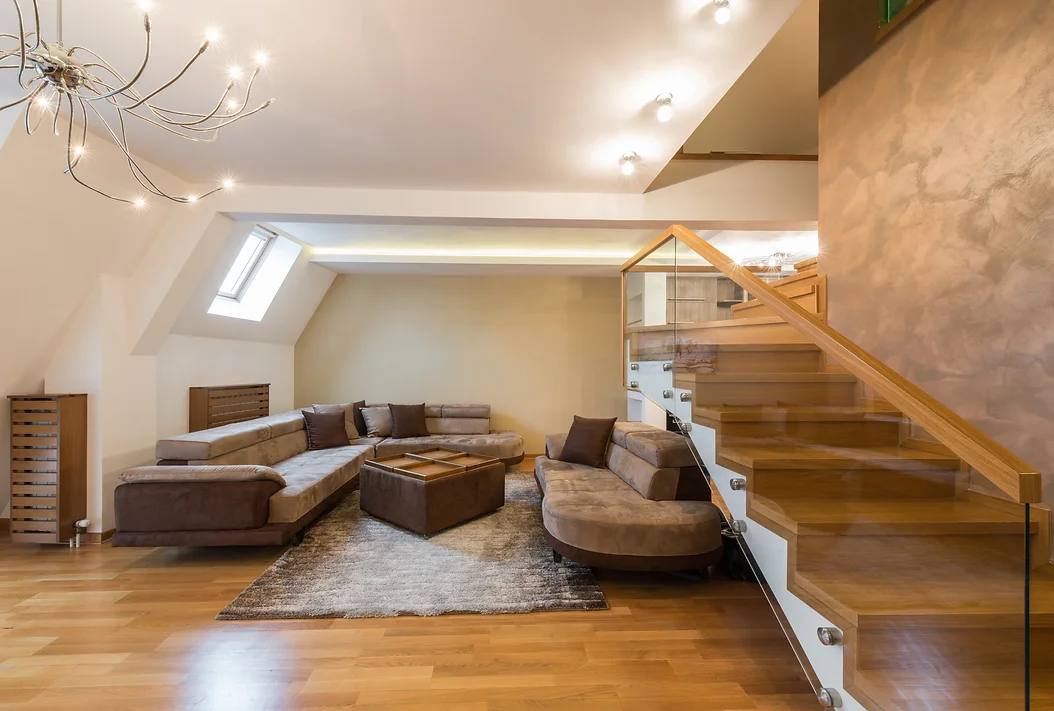
- Glass balustrades to maintain openness and light
- Concrete for modern, architectural designs
In the UK, materials must also cope with temperature changes and moisture, which is why quality materials and correct installation matter.
UK Building Regulations and Safety
Floating staircases in the UK must comply with Building Regulations Approved Document K. These rules ensure the staircase is safe and comfortable to use.
Key regulations cover:
- Step height and depth
- Maximum gaps between treads
- Handrails and balustrades
- Load-bearing strength
- Child safety requirements
A well-designed bespoke staircase balances these rules with a clean, modern look.
Why Structural Design Is So Important
A floating staircase should never feel unstable. Even slight movement can make users feel unsafe. This is why structural calculations are essential.
Engineers calculate:
- How weight is distributed
- How far steps can safely project
- How deep fixings must go into walls
- Long-term strength and durability
This ensures the staircase feels solid, secure, and comfortable to use every day.
Design Flexibility with Bespoke Staircases
One of the biggest advantages of bespoke floating staircases is design freedom.
You can choose:
- Straight, L-shaped, or curved layouts
- Open or closed risers
- Timber, steel, or mixed materials
- Frameless glass or minimal handrails
Because the staircase is custom-made, it fits perfectly into your home and complements your interior style.
Installation in UK Homes
Installing a floating staircase requires careful planning. In new builds, the staircase is often designed alongside the structure of the house. In existing homes, additional reinforcement may be needed before installation begins.
Professional coordination between designers, engineers, and builders ensures the staircase is installed safely and accurately.
Final Thoughts
Bespoke floating staircases combine beauty with intelligent structural design. While they appear light and effortless, they rely on strong hidden supports and precise engineering to meet UK safety standards.
When designed and installed by professionals, a floating staircase becomes more than just a way to move between floors — it becomes a stunning architectural feature that adds value, style, and openness to your home.
If you’re considering a bespoke floating staircase in the UK and want expert guidance from design to installation, you can explore bespoke solutions and inspiration at https://vonka.co.uk/


Comments
Post a Comment