How Floating Stairs Work and the Best 2026 Design Ideas
Floating stairs have become one of the most sought-after features in modern architecture. Sleek, minimal, and visually striking, they instantly elevate any interior space. But beyond their aesthetic appeal, many homeowners and designers often ask: how do floating stairs actually work?
In this guide, we’ll break down the engineering behind floating staircases and explore the best 2026 design ideas—perfect if you're considering a modern floating stairs design or investing in a bespoke staircase for your home.
What Are Floating Stairs?
Floating stairs are staircases designed to appear as though they are “floating” without visible support. Unlike traditional staircases with bulky stringers or risers, floating stairs focus on clean lines and open space.
Typically, each step (or tread) is either:
- Fixed into a hidden structural support within the wall, or
- Supported by a concealed frame beneath or beside the treads
The result is a staircase that looks lightweight, modern, and almost gravity-defying.
How Do Floating Stairs Work?
Despite their minimalist appearance, floating stairs rely on precise engineering and structural integrity. They are carefully designed to support weight while maintaining the illusion of floating safely.
1. Hidden Structural Support
The most common method involves a concealed stringer, which acts as the backbone of the staircase.
There are three main types:
- Wall-mounted stringer
Treads are anchored directly into a load-bearing wall, creating a seamless floating effect.
- Central spine (mono stringer)
A steel beam runs beneath the centre of the steps, offering strong support with minimal visual impact.
- Side-mounted stringers
Supports are integrated along the sides, often paired with glass or slim metal structures.
2. Cantilevered Treads
In high-end bespoke staircase designs, floating stairs often use cantilevered treads, where each step is embedded into a structural wall and reinforced internally with steel.
This method distributes the load back into the building structure, allowing the steps to project outward without visible supports—one of the most striking effects in modern floating stairs design.
3. Material Strength
Floating stairs rely on a combination of strong, durable materials to ensure both safety and longevity:
- Structural steel frameworks
- Engineered or solid timber treads
- Reinforced concrete (in some builds)
- Toughened glass for balustrades
The choice of materials plays a major role in both performance and visual style.
4. Weight Distribution and Safety
While floating stairs may look delicate, they are engineered to meet strict safety standards. Load calculations, anchoring systems, and material strength are all carefully considered during the design phase.
In practice, well-designed floating staircases are just as safe as traditional ones, especially when paired with features like anti-slip finishes and glass balustrades.
Why Floating Stairs Are So Popular in 2026
As interior design continues to favour open, light-filled spaces, floating stairs have become a natural choice in modern homes.
Key Benefits
- Enhanced natural light through open risers
- Improved sense of space, especially in open-plan layouts
- Clean, architectural aesthetic
- Highly customisable, ideal for a bespoke staircase
- Adds visual value to a property
Best Floating Stair Design Ideas for 2026
Here are the leading modern floating stairs design trends shaping interiors in 2026.
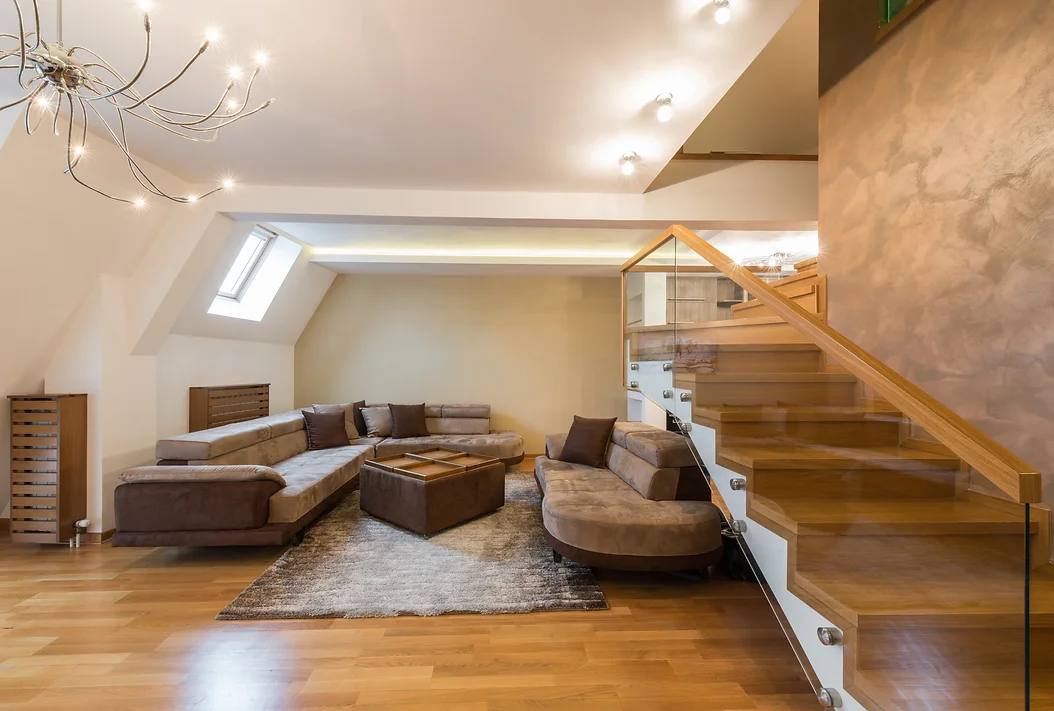
1. Timber Treads with Glass Balustrades
This combination remains a favourite for its balance of warmth and minimalism.
- Natural wood adds texture and depth
- Frameless glass keeps the space visually open
- Works across a wide range of interior styles
2. Fully Cantilevered “Invisible” Stairs
A true statement piece, these stairs appear to emerge directly from the wall with no visible support.
Often seen in high-end residential projects, this approach reflects the level of precision and planning typically associated with specialist staircase manufacturers working on fully bespoke staircase solutions.
3. Integrated LED Lighting
Lighting continues to play a bigger role in staircase design.
- LED strips beneath each tread
- Soft ambient glow
- Improved visibility at night
This adds both functionality and atmosphere to the space.
4. Mono Stringer Designs
A central steel spine creates a clean and structured look.
- Minimal yet strong
- Works well with timber or metal treads
- Popular in contemporary and industrial interiors
5. Open Riser Staircases
Open risers remain a defining feature of floating stairs.
- Allow light to flow through the structure
- Enhance the floating illusion
- Keep interiors feeling uncluttered
6. Curved Floating Staircases
Curved forms are gaining popularity in 2026, offering a softer and more sculptural aesthetic.
These designs require advanced engineering and are often developed as part of a fully bespoke staircase concept tailored to the architecture of the home.

7. Mixed Material Combinations
Combining materials allows for more personalised designs.
- Timber and steel for contrast
- Glass and metal for a sleek finish
- Stone for a more architectural feel
This approach reflects a growing demand for individuality in modern floating stairs design.
Things to Consider Before Installing Floating Stairs
Structural Requirements
Not all properties are immediately suitable for floating stairs. Some designs require reinforced walls or additional structural support, particularly for cantilevered systems.
UK Building Regulations
Floating stairs must comply with UK standards, including tread depth, rise height, spacing, and safety requirements.
Budget Considerations
Due to their custom nature, floating staircases are typically more of an investment than standard designs. Costs vary depending on materials, complexity, and installation.
Design Expertise Matters
Floating stairs combine engineering with aesthetics, making professional design and installation essential for achieving both safety and visual impact.
The Value of a Bespoke Approach
Choosing a bespoke staircase allows for complete flexibility in design, materials, and layout. Rather than adapting to standard dimensions, the staircase is created specifically for the space.
This often results in:
- Better integration with the overall interior
- More efficient use of space
- A unique architectural feature
In many modern homes, the staircase becomes a central design element rather than just a functional feature.
Final Thoughts
Floating stairs represent a perfect blend of engineering and design. Their ability to create openness, light, and visual impact makes them a defining feature of modern interiors in 2026.
Whether you're exploring a simple open-riser layout or a fully cantilevered structure, investing in a well-designed modern floating stairs design can transform the way a space feels and functions.
And while the aesthetics are important, the success of any floating staircase ultimately comes down to thoughtful design, quality materials, and expert execution—especially when it forms part of a carefully considered bespoke staircase solution.
For those looking to explore tailored staircase options in more detail, companies like Vonka Stairs offer insight into how bespoke designs can be adapted to suit different spaces, materials, and architectural styles. You can explore more at: https://www.vonka.co.uk/


Comments
Post a Comment