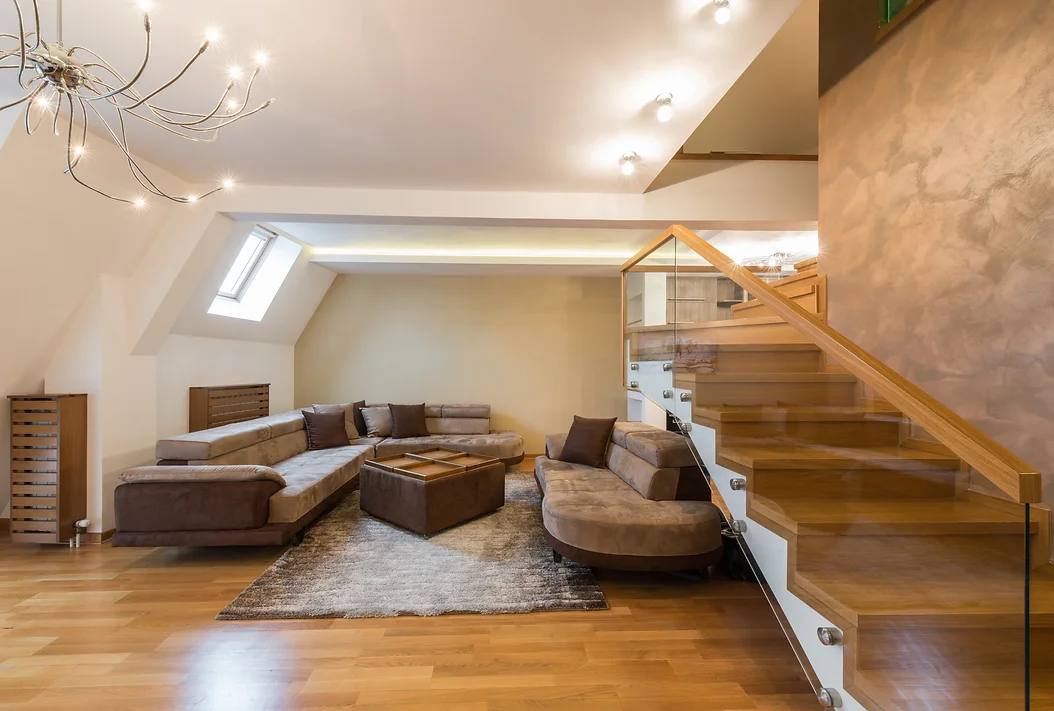
Small Luxury Modern Floating Stairs Design with Wooden Steps
When people think about home design, staircases are often overlooked. But in modern homes, they’ve become much more than just a way to move between floors. A well-designed staircase can completely change how a space looks and feels. One of the most popular choices today is the modern floating stairs design—especially when paired with beautiful wooden steps.
If you’re working with a smaller space but still want a high-end, stylish finish, a bespoke staircase could be exactly what you need. Let’s explore why floating stairs are such a great option and how wooden steps bring warmth and luxury into the design.
What Are Floating Stairs?
Floating stairs are designed to look like they’re “floating” in the air without visible support. Instead of bulky frames or closed sides, the structure is cleverly hidden inside the wall or underneath the steps. This creates a clean and minimal look that feels modern and uncluttered. Because no heavy elements are blocking the view, floating stairs make a room feel more open and spacious, which is especially useful in smaller homes.

Why Wooden Steps Make a Big Difference
While modern staircases often use materials like glass and steel, they can sometimes feel a bit cold or too industrial. Wooden steps help balance this by adding warmth and a natural touch to the design. They make the space feel more comfortable and welcoming while still keeping that modern look.
Another advantage is flexibility—wood can be finished in many different shades and styles, whether you prefer a light, airy feel or something darker and more luxurious. This makes it easier to match your staircase with the rest of your home’s interior.
Perfect for Small but Stylish Spaces
In smaller homes, space is always a priority. Traditional staircases can take up a lot of room and make an area feel cramped. Floating stairs, on the other hand, are designed to be visually light. Because they allow light to pass through and don’t block sightlines, they create the illusion of a bigger space.
This is why a well-planned modern floating stairs design works so well in compact areas—it keeps things functional without sacrificing style. Even in tight layouts, the right design can make your home feel more open and refined.
Why Go for a Bespoke Staircase?
Every home has its own layout, and not all spaces are easy to work with. That’s where a bespoke staircase becomes valuable. Instead of using a standard design that may not fit properly, a bespoke solution is tailored to your exact space and needs.
This means you can make the most of every inch, especially in smaller or awkward areas. You also have full control over the design, materials, and finish, ensuring that your staircase blends perfectly with your interior. At Vonka Stairs, the goal is to create staircases that are not only practical but also enhance the overall look of your home.
Choosing the Right Wood
The type of wood you choose plays a big role in the final look of your staircase. Each type has its own character and can change the feel of the space.
For example, oak is a popular choice because it’s strong and works well in many styles. Walnut offers a darker, richer tone that adds a more luxurious feel. Ash is lighter and ideal for bright, modern interiors. By selecting the right wood, you can create a staircase that perfectly matches your vision while still being durable and long-lasting.
Adding a Luxury Touch
Small design details can make a big difference when it comes to creating a luxury look. Floating staircases already have a modern feel, but combining them with the right features can take things further.
For example, glass panels instead of traditional railings keep the space looking open and clean. Slim metal elements can add a modern edge without making the design feel heavy. You can also include soft LED lighting under each step, which highlights the floating effect and adds a subtle glow in the evening. These additions help turn a simple staircase into a standout feature.
Are Floating Stairs Safe?
Although floating stairs may look delicate, they are built with strong hidden supports that make them very sturdy. When designed and installed correctly, they are just as safe as traditional staircases.
Safety can be further improved by using non-slip finishes on wooden steps and adding railings or glass panels where needed. Working with experienced professionals ensures that everything is installed properly and meets safety standards.
A Smart Investment for Your Home
A well-designed staircase is not just about appearance—it can also add value to your home. Unique features like floating stairs often attract attention and leave a lasting impression on visitors or potential buyers.
In smaller homes, where space is limited, having a staircase that improves the overall layout and feel of the room is a big advantage. Many homeowners choose experts like Vonka Stairs to ensure their staircase is both stylish and built to a high standard, making it a worthwhile investment.
A More Sustainable Choice
Sustainability is becoming more important in home design, and wooden staircases can be a good, eco-friendly option when responsibly sourced materials are used. High-quality wood lasts for many years, reducing the need for replacements.
You can also choose finishes that are safer for your home environment, helping to create a healthier living space while still achieving a beautiful design.
Final Thoughts
A modern floating stairs design with wooden steps is a perfect combination of style and practicality. It helps you save space while adding a touch of luxury to your home.
Choosing a bespoke staircase means you get something that’s made specifically for your space and your lifestyle. It’s not just about function—it’s about creating a feature that enhances your entire home.
With the clean look of floating stairs and the natural beauty of wood, you can achieve a design that feels modern, elegant, and timeless. If you’re planning to upgrade your staircase, this could be the perfect way to create something simple, stylish, and truly unique.


Comments
Post a Comment