How Staircase Manufacturers Create Custom Home Designs

A staircase is not just a practical part of a home. It also plays a big role in how a space looks and feels. In modern properties, it often becomes one of the main design features, drawing attention as soon as you enter a room. Whether it is a clean modern structure or a more traditional wooden design, a well-planned staircase can completely change the atmosphere of a home.
This is why more homeowners are choosing bespoke staircase designs instead of standard options. Custom-built stairs allow every detail to be tailored to the space, style, and needs of the property. From compact homes to large luxury residences, staircase manufacturers play a key role in turning ideas into practical and beautiful structures.
In this article, we explore how UK stairs are designed and built from start to finish, and what makes luxury residential staircases such a valuable addition to modern homes.
Why Staircases Matter in Home Design
In many homes, the staircase is one of the first things people notice when they walk through the door. It connects spaces, guides movement, and helps define the overall interior style.
Because of this, architects and homeowners now treat staircases as a design feature rather than just a functional structure. A well-planned staircase can:
- Improve the flow of a home
- Make spaces feel larger and more open
- Add a strong visual focal point
- Increase property value
This shift has increased demand for custom designs that match the personality of the home instead of using standard, off-the-shelf solutions.
Step 1: Understanding the Space and the Idea
The process of creating a bespoke staircase begins with understanding the space it will be built in. Every home is different, so careful planning is essential.
Manufacturers and designers usually start by looking at:
- Room layout and available space
- Ceiling height and floor openings
- Natural light sources
- Interior style of the home
- How the staircase will be used daily
At the same time, they also speak with the homeowner to understand their ideas. Some people want something modern and minimal, while others prefer a more traditional or decorative design.
This early stage is all about turning rough ideas into a clear direction for the project.
Step 2: Creating the Design
Once the concept is clear, the design stage begins. This is where ideas are turned into detailed plans.
Designers use specialist software to create drawings and 3D visuals of the staircase. This helps homeowners see what the finished structure will look like before anything is built.
Key design elements include:
- Shape of the staircase (straight, curved, spiral, or floating)
- Type of materials used
- Handrail style and position
- Balustrade design (glass, metal, or wood)
- Step size and spacing
Every detail is carefully planned to make sure the staircase is both safe and visually balanced. At this point, adjustments can still be made until the design feels exactly right.
Step 3: Engineering and Safety Checks
A staircase must not only look good but also be completely safe. This is where engineering becomes very important.
Specialists check all structural details, including:
- Weight support and load strength
- Fixing points into walls and floors
- Step height and depth consistency
- Compliance with UK building regulations
For more complex designs, such as floating staircases or large curved structures, additional reinforcement may be required. Engineers make sure that even the most lightweight-looking designs are fully secure.
This stage ensures that all UK stairs meet strict safety standards while still matching the design vision.
Step 4: Choosing the Right Materials
Materials have a big impact on the final look and feel of a staircase. They also affect durability, maintenance, and overall style.
Some of the most commonly used materials in luxury residential staircases include:
Oak and other hardwoods: Warm, natural, and timeless
Glass panels: Clean, modern, and ideal for open spaces
Steel frames: Strong and perfect for contemporary designs
Stone or marble: High-end finishes are often used in luxury homes
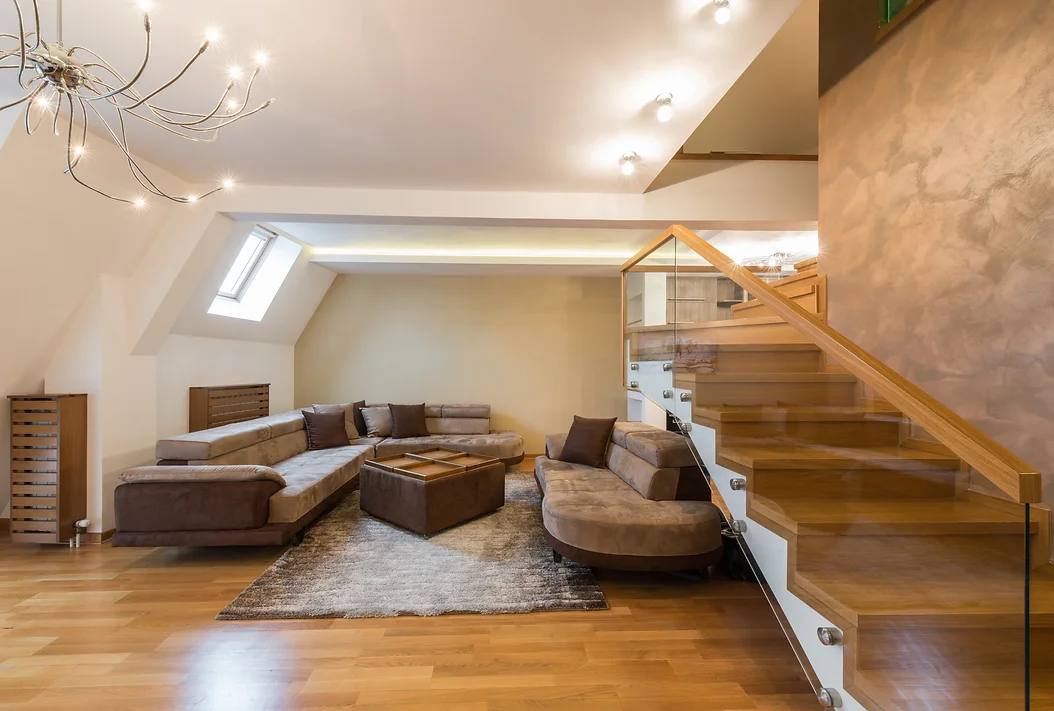
Many designs combine different materials to create contrast. For example, wooden steps with glass sides can create a modern yet warm appearance.
Material selection is always based on both design preference and practical use.
Step 5: Building the Staircase
Once everything is approved, the manufacturing process begins.
Each part of the staircase is carefully made in a workshop. This includes cutting, shaping, welding, and finishing every component to match the design drawings.
Precision is extremely important at this stage. Even small differences can affect how the staircase fits during installation.
Manufacturers focus on:
- Accurate measurements
- Smooth finishes
- Strong structural joints
- Consistent quality across all parts
Many parts are handcrafted, while others are made using advanced machinery for accuracy. This combination of traditional skill and modern technology helps achieve high-quality results.
Step 6: Installation in the Home
After manufacturing, the staircase is delivered and installed on site.
Installation is a highly skilled process that requires careful attention to detail. The team ensures that the staircase fits perfectly into the space and aligns with the original design.
This includes:
- Fixing the structure securely in place
- Checking alignment and balance
- Making final adjustments on site
- Ensuring safety and stability
For larger or more complex staircases, installation may take several days. The goal is always to achieve a seamless fit that looks like part of the original building.
Popular Types of Staircases in Modern Homes
Homeowners in the UK now have many different staircase styles to choose from. Some of the most popular include:
Floating Staircases
These staircases are designed to look like they are “floating” without visible support. They are often used in modern homes.
Spiral Staircases
A great option for smaller spaces, spiral designs are compact and visually striking.
Curved Staircases
These add elegance and movement, often used in larger entrance halls.
Straight Staircases
Simple and practical, straight designs remain one of the most common choices for many homes.
Each style can be fully customised depending on the space and design preferences.
Why Custom Staircases Are Worth It
Choosing a bespoke staircase offers several long-term benefits beyond appearance.
Some of the main advantages include:
- Perfect fit for the available space
- Designs tailored to personal style
- Higher quality materials and finish
- Improved property value
- Long-lasting durability
At companies like Vonka Stairs, every project is designed with precision and care to ensure the staircase not only looks impressive but also performs perfectly within the home.
A well-designed staircase often becomes the main feature of a home, especially in modern open-plan layouts.
Final Thoughts
Creating a custom staircase is a detailed process that combines design, engineering, and skilled craftsmanship. From the first idea to the final installation, every stage is carefully managed to ensure the result is both functional and visually impressive.
Today’s homeowners are no longer settling for standard designs. Instead, they are choosing bespoke staircase solutions that reflect their lifestyle and enhance their living spaces.
Whether it is modern UK stairs, elegant curved designs, or bold architectural features, a custom staircase can completely transform a home and add long-term value.
Get in touch to book a visit to our Sidcup showroom, or visit our website to learn more about our bespoke staircase services.


Comments
Post a Comment